Historical Figures
169 sourced historical stories, arranged by subject.
 Historical Figures
Many inventions became part of Lu Ban's legend
Later generations revered Lu Ban as an exemplary ancient craftsman, attributing numerous tools and inventions to him. Each attribution needs to be assessed against specific written sources.
 Historical Figures
Lu You's poems include gardens and everyday meals
Lu You left a large body of poetry. Alongside the recovery of lost territory, he wrote about villages, gardens, reading, illness, and food. These everyday subjects reveal details of a Song scholar's life. Personal poetry collections can therefore also provide material for studying social history.
 Historical Figures
A pilgrimage made a West African ruler famous for gold
Mansa Musa's pilgrimage to Mecca in 1324 carried the reputation of Mali far beyond West Africa. Accounts describe lavish distributions of gold, but estimates of his fortune remain uncertain. His reign also connected royal power with mosques, trade, scholarship, and urban construction.
 Historical Figures
A revolutionary built a political life beyond her famous romance
Manuela Sáenz participated in South America's independence struggles through political contacts, gathering information, and support for revolutionary forces. Her collaboration with Simón Bolívar brought both influence and danger. Exile and later remembrance reveal how her public role was often reduced to a romantic relationship.
 Historical Figures
A woman disguised herself to fight for Brazilian independence
Maria Quitéria entered the independence struggle in Bahia disguised as a man and remained in military service after her identity became known. Her promotions and imperial decoration recognized her ability, although the later national celebration of her life contrasted with the poverty of her final years.
 Historical Figures
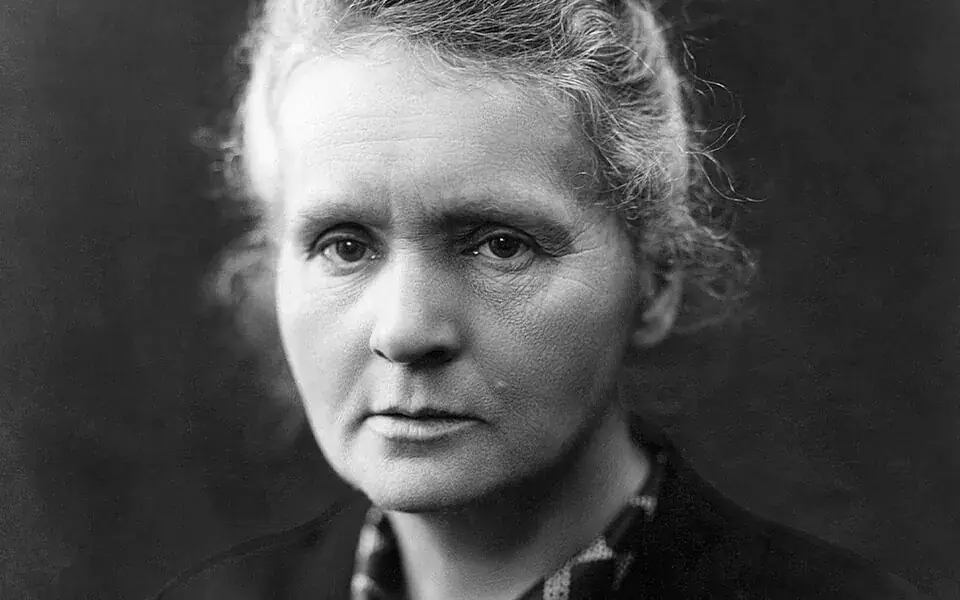
Marie Curie's two Nobel Prizes recognized different disciplines
Marie Curie first received the Nobel Prize in Physics and later the prize in Chemistry, for work connected respectively with radioactivity and newly identified elements. She collaborated with Pierre Curie and others and promoted the use of X-ray equipment during the First World War. Her scientific activities encompassed many different tasks.
 Historical Figures
Mark Twain's pen name came from sounding river depths
Mark Twain's pen name is associated with a call used to report water depth on the Mississippi River. He had worked as a riverboat pilot, and the river also entered his literature.
 Historical Figures
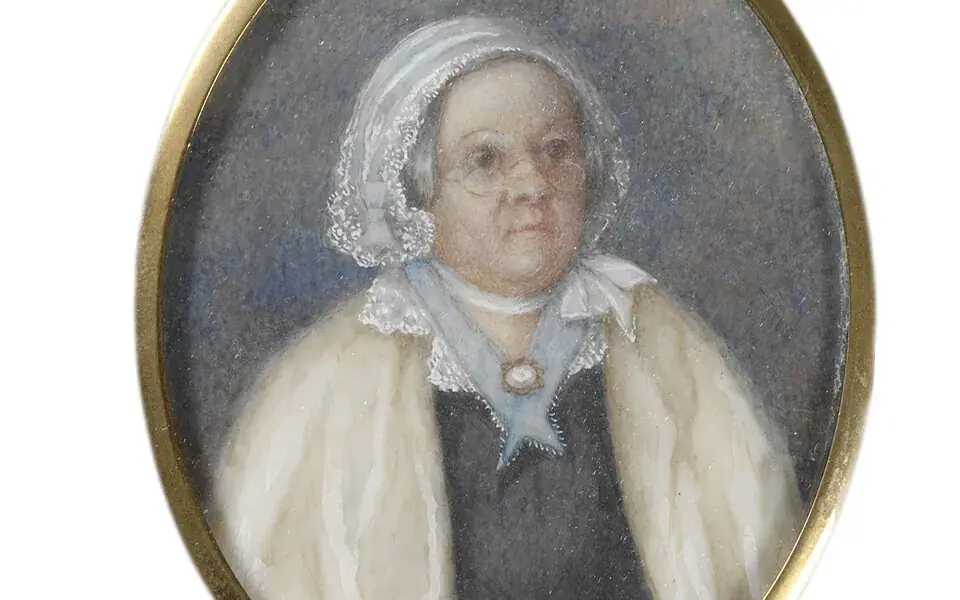
A transported convict became a successful merchant
Mary Reibey arrived in Australia as a young convict and later became a merchant and property owner. After her husband's death, she managed businesses while raising a large family. Her career illustrates the opportunities, responsibilities, and shifting public identities within the early colonial economy.
 Historical Figures
Mencius developed arguments through concrete stories
The Mencius preserves dialogues with rulers and others. It uses analogies, questions, and examples to discuss politics and ethics, rather than being merely a set of short maxims.
 Historical Figures
A changing magnetic field can generate a current
In the nineteenth century, Michael Faraday investigated electromagnetic induction and found that a changing magnetic field could produce an electric current. The phenomenon became a key physical basis for generators.
 Historical Figures
A court writer made private life the subject of a great tale
Murasaki Shikibu wrote within the culture of Japan's Heian court, where education, family connections, and rival circles mattered. The Tale of Genji explored relationships and court life on an extraordinary scale. Her surviving works and biography reveal the opportunities and constraints of a woman writer's position.
 Historical Figures
A Maroon leader became a symbol of resistance in Jamaica
Nanny of the Maroons is remembered as a leader of Jamaica's Windward Maroons during resistance to British colonial power. Documentary evidence and oral traditions do not always agree, but her association with mountain communities, military resistance, and Moore Town made her an enduring national figure.