Historical Events
72 sourced historical stories, arranged by subject.
 Historical Events
The Panama Canal uses locks to lift ships to a lake
The Panama Canal opened in 1914. Its locks raise and lower ships between the seas on either side and the elevated lakes, rather than providing a level waterway throughout.
 Historical Events
Paris governed itself for weeks before a bloody reconquest
The Paris Commune governed parts of the French capital during the spring of 1871 after war and siege had deepened political divisions. Its elected council introduced reforms while facing military pressure. Government troops eventually entered the city, and the Commune ended amid executions, imprisonment, and exile.
 Historical Events
Years of negotiation produced treaties that ended devastating wars
The Peace of Westphalia is the collective name for two peace treaties signed in October 1648 in the Westphalian cities of Osnabrück and Münster. They ended the Thirty Years' War (1618–1648) and brought peace to the Holy Roman Empire, closing a calamitous period of European history that killed between 4.5 and 8 million people.
 Historical Events
A meeting for parliamentary reform ended in a cavalry charge
The Peterloo Massacre took place at St Peter's Field, Manchester, England, on Monday 16 August 1819. Eighteen people were killed and 400–700 were injured when the cavalry of the Yeomanry charged into a crowd of around 60,000 people who had gathered to demand the reform of parliamentary representation.
 Historical Events
An earthquake swallowed much of a Caribbean trading port
Port Royal is a small town located at the end of the Palisadoes, at the mouth of Kingston Harbour, in southeastern Jamaica. Founded in 1494 by the Spanish, it was once the largest and most prosperous city in the Caribbean, functioning as the centre of shipping and commerce in the Caribbean Sea by the latter half of the 17th century.
 Historical Events
A coordinated uprising drove colonial rulers out of New Mexico
The Pueblo Revolt of 1680, also known as Popé's Rebellion or Po'pay's Rebellion, was an uprising of most of the Indigenous Pueblo people against the Spanish colonists in the province of Santa Fe de Nuevo México, larger than present-day New Mexico.
 Historical Events
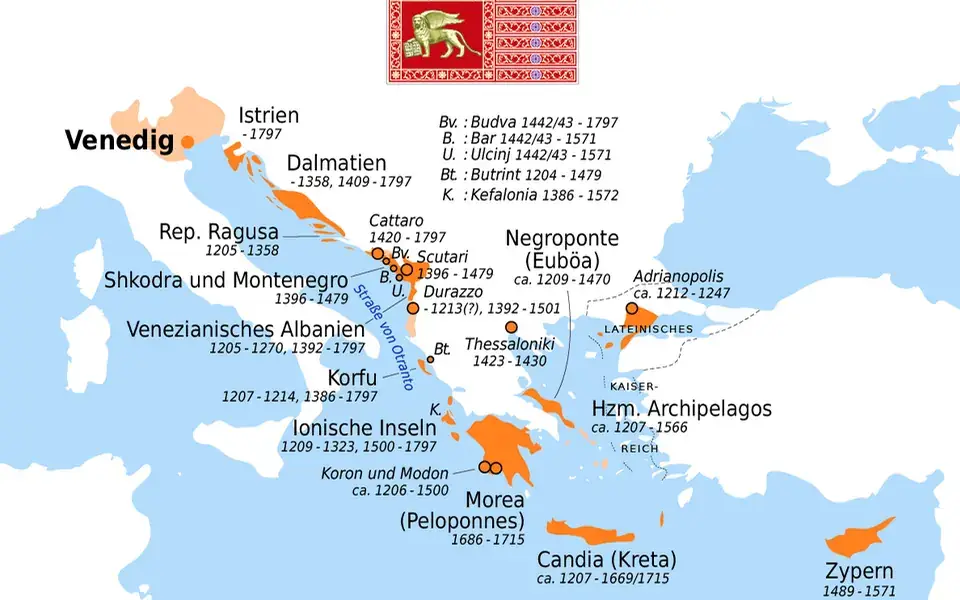
Venice's power grew through trade and maritime networks
The Republic of Venice developed through shipping, commerce, and political institutions, building extensive connections around the Mediterranean. Its watery urban setting and maritime economy shaped one another.
 Historical Events
Revolts spread across Europe with demands for constitutions and work
The revolutions of 1848, also known as the springtime of the peoples, were a series of revolutions throughout Europe that spanned almost two years, between January 1848 and October 1849. They remain the most widespread revolutionary wave in European history to date.
 Historical Events
A walk to the sea turned salt into a political symbol
Gandhi's Salt March challenged British rule by turning an everyday necessity into a focus of protest. The walk to Dandi in 1930 preceded wider acts of civil disobedience. Its planning and aftermath show how a concrete violation of salt laws could mobilize people across different communities.
 Historical Events
The Silk Road was a network rather than one highway
The Silk Road connected many parts of Eurasia through land routes and transport hubs that varied over time. The goods traded included far more than silk. Religions, techniques, diseases, and knowledge also traveled with people. The name is a modern summary; ancient travelers did not all use it to describe their routes.
 Historical Events
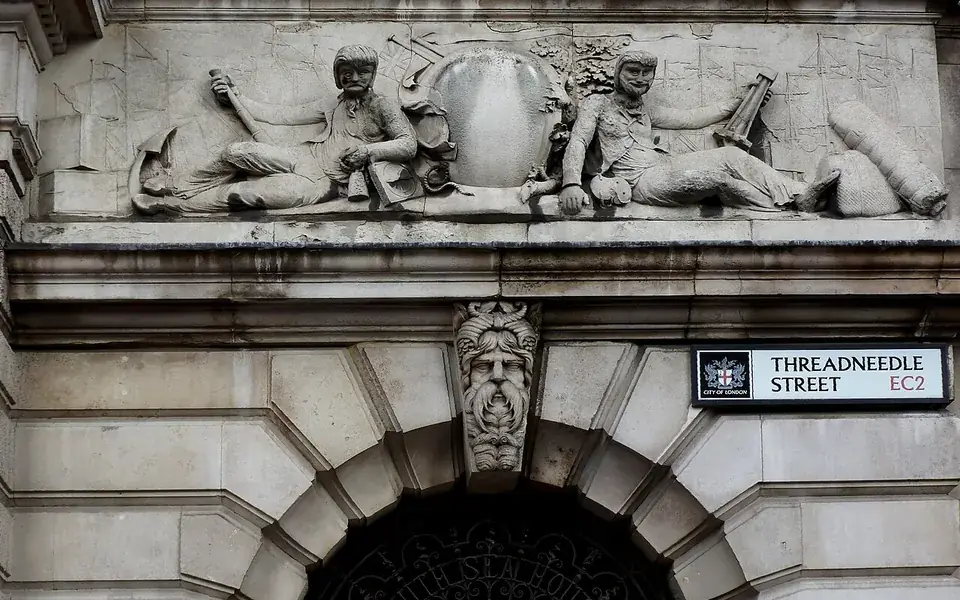
An investment boom collapsed around a British trading company
The South Sea Company was a British joint-stock company founded in January 1711, created as a public-private partnership to consolidate and reduce the cost of the national debt. To generate income, in 1713 the company was granted a monopoly (the Asiento de Negros) to supply enslaved Africans to the islands in the "South Seas" and South America.
 Historical Events
Taxes on printed documents sparked colonial protests
Britain's Stamp Act of 1765 taxed various printed materials and legal documents in its North American colonies. Colonists strongly protested taxation imposed without the consent of their own representatives.