Historical Events
72 sourced historical stories, arranged by subject.
 Historical Events
The Hundred Days' Reform sought educational and administrative change
The 1898 Hundred Days' Reform promoted measures concerning education, official institutions, and the economy, but ended quickly amid political conflict. The reforms were not fully implemented as planned, although some issues developed further later. Studying the period requires distinguishing decrees, their implementation, and subsequent effects.
 Historical Events
A centuries-old examination system was eventually abolished
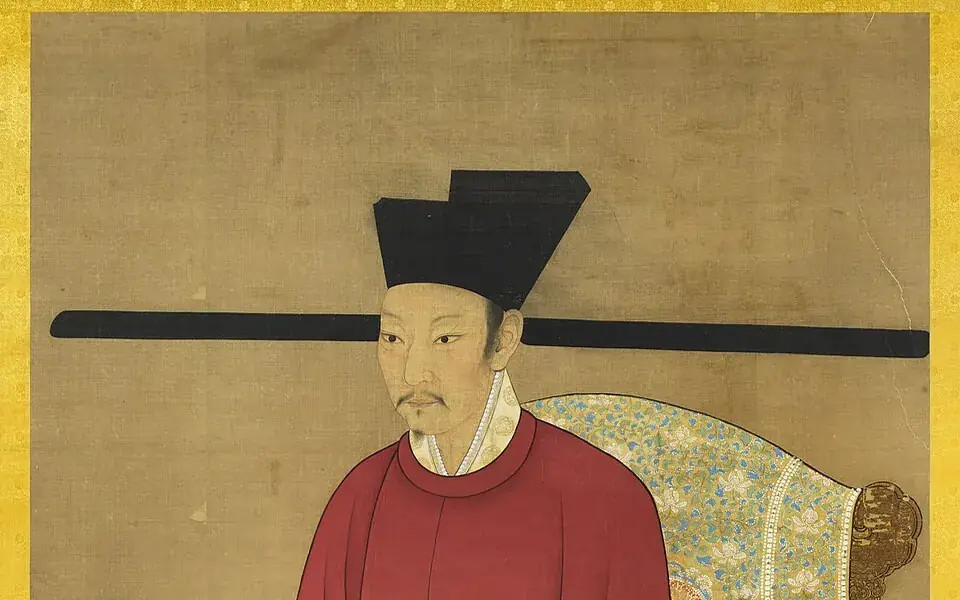
China's imperial examinations long served to select officials, with content and organization changing across dynasties. The Qing abolished the system in 1905.
 Historical Events
The fall of the Northern Song led into the Southern Song
During the Jingkang Incident, Jin forces entered Kaifeng and took away Emperors Huizong and Qinzong and others, dealing a decisive blow to the Northern Song government. Zhao Gou then established the Southern Song, shifting political centers and economic connections. The dynastic rupture also influenced migration and cultural memory.
 Historical Events
Reaching the goldfields meant hauling supplies over mountain passes
The Klondike Gold Rush was a migration by an estimated 100,000 prospectors to the Klondike region of Yukon in northwestern Canada, between 1896 and 1898. Gold was discovered there by local miners on August 16, 1896; when news reached Seattle and San Francisco the following year, it triggered a stampede of prospectors.
 Historical Events
An international peace organization preceded the United Nations
The League of Nations was founded after the First World War to address disputes through negotiation and collective security. It also supported cooperation on health, refugees, and other issues.
 Historical Events
Magna Carta first answered a medieval political conflict
Magna Carta, agreed in 1215 between King John and his barons, addressed royal power, taxation, and legal procedure. It was not a complete declaration of modern universal democracy.
 Historical Events
A kingship sought to unite tribes and protect land
The Māori King Movement arose during growing pressure over land sales and colonial authority in nineteenth-century New Zealand. Supporters sought unity through a shared kingship, choosing Pōtatau Te Wherowhero in 1858. Subsequent conflict tested the movement's political aspirations and its relationships with tribes and government.
 Historical Events
Maritime exchange depended on ports and monsoons
The Maritime Silk Road connected ports across East Asia, Southeast Asia, South Asia, and other regions. Sailors used monsoon winds and accumulated navigational experience to travel between them. Goods, religions, and people often moved together. Routes also changed as ports rose or declined and political conditions shifted, rather than remaining a single fixed sea lane.
 Historical Events
A Tudor warship rose from the seabed after centuries underwater
The Mary Rose was a carrack in the English Tudor navy of King Henry VIII. She was launched in 1511 and served for 34 years in several wars against France, Scotland, and Brittany. After being substantially rebuilt in 1536, she saw her last action on 19 July 1545.
 Historical Events
The Napoleonic Code brought civil rules together
The French Civil Code, issued in 1804 and later known as the Napoleonic Code, organized rules on property, contracts, and family life. It influenced legislation in several regions.
 Historical Events
Ranking individuals shaped the selection of officials
The nine-rank system used appointed evaluators to classify people and became important in selecting officials during the Wei and Jin periods. Family background and social standing influenced its operation.
 Historical Events
Ottoman government encompassed many languages and religions
The Ottoman Empire ruled extensive territories. Administration, taxation, and justice involved communities with different religions and languages, and practices were not identical everywhere.