Everyday Curiosities
38 sourced historical stories, arranged by subject.
 Everyday Curiosities
Mountain farming shaped a landscape of walls and water
The Banaue terraces reflect generations of Ifugao farming, water management, and community work. Their age is debated, and the familiar roadside cluster should be distinguished from separately designated World Heritage terrace groups. Rice cultivation also supports ceremonies, social relationships, and continuing care of the mountain landscape.
 Everyday Curiosities
Chess rules changed over many centuries
The predecessors of chess were associated with South Asian games, which traveled through Persia and the Arab world into Europe. The identities and movements of pieces changed as the game spread.
 Everyday Curiosities
Many spicy Asian dishes use a crop from the Americas
Chili peppers originated in the Americas and spread to Asia and other regions through maritime exchange from the 16th century onward. Many familiar spicy dishes therefore have ingredients with a transoceanic history.
 Everyday Curiosities
Chocolate was first commonly consumed as a drink
Indigenous peoples of the Americas made drinks from cacao. After cacao reached Europe, drinks with added sugar and other ingredients became popular; solid chocolate developed later.
 Everyday Curiosities
Striking clocks let towns hear the time
Early public mechanical clocks in Europe were often associated with bells. Townspeople could follow the day's schedule by listening, without each owning a clock.
 Everyday Curiosities
Coffeehouses were places to exchange news and opinions
Coffee drinking spread from its region of origin to Arab lands and then to Europe and elsewhere. Coffeehouses served drinks while also becoming places to talk, read newspapers, and conduct business.
 Everyday Curiosities
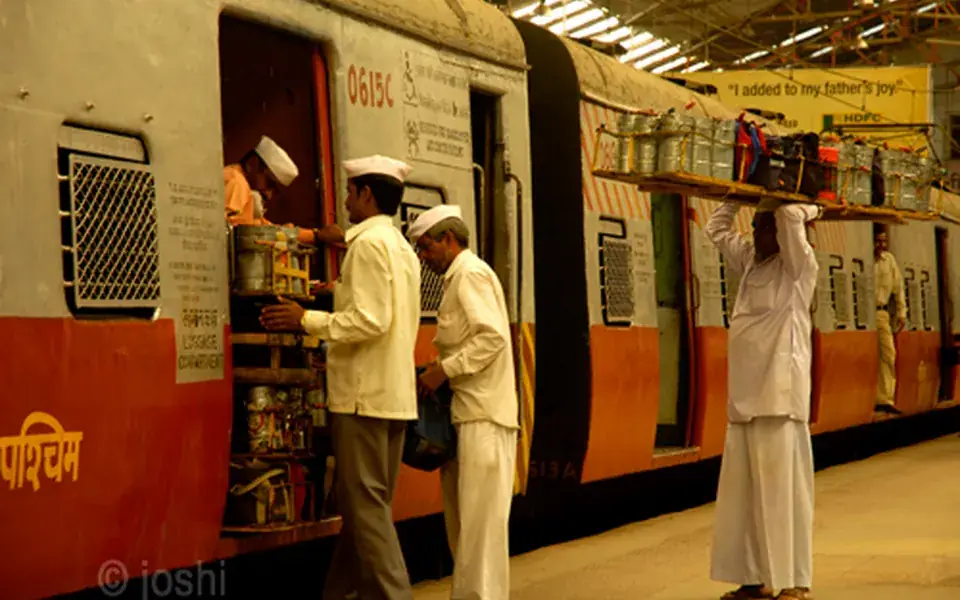
Mumbai's lunchboxes traveled through a human sorting network
Mumbai's dabbawalas developed a system for collecting, sorting, carrying, and returning lunchboxes. Codes and repeated handoffs linked homes with workplaces through the city's transport network. The organization depended on collective discipline and practical knowledge, although widely repeated claims about its error rate require qualification.
 Everyday Curiosities
A strange outbreak of dancing troubled sixteenth-century Strasbourg
Strasbourg authorities struggled to respond when people began dancing uncontrollably in 1518. Medical advice, restrictions, and religious remedies followed, but the outbreak’s cause remains uncertain. Surviving records establish a serious disturbance while leaving room for debate about the number of dancers, possible deaths, and later explanations.
 Everyday Curiosities
A canal connected Atlantic trade with the Great Lakes
The Erie Canal is a historic canal in upstate New York that runs east–west between the Hudson River and Lake Erie. Completed in 1825, the canal was the first navigable waterway connecting the Atlantic Ocean to the upper Great Lakes above Niagara Falls, vastly reducing the costs of transporting people and goods across the Appalachians.
 Everyday Curiosities
Tang merchants used certificates to avoid transporting coins
Flying cash concerned transfers between distant places during the Tang. Merchants paid money in one location, received a certificate, and redeemed it elsewhere, reducing the need to carry large quantities of coins.
 Everyday Curiosities
Revolutionaries renamed months after nature and work
During the French Revolution, the Republican Calendar introduced a new dating system and new month names to express a break with the old regime. The names referred to seasons, weather, and agriculture.
 Everyday Curiosities
A Caribbean people rebuilt their communities along Central America's coast
The Garifuna developed from African and Indigenous Caribbean communities on Saint Vincent before British conquest and deportation forced a new migration. Their settlements along Central America's Caribbean coast preserved a distinctive language and cultural traditions while adapting to new political and economic conditions.