Arts & Culture
74 sourced historical stories, arranged by subject.
 Arts & Culture
Mozart's catalog numbers were assigned after his lifetime
Mozart's works commonly bear K or KV numbers from the catalog compiled by Kochel. They were not a uniform numbering system that Mozart personally assigned to every composition.
 Arts & Culture
Kunqu's singing styles underwent refinement
Kunqu is connected to the historical development of the Kunshan style. In the Ming, Wei Liangfu and others refined its singing, helping form an influential performance tradition. It combines music, lyrics, movement, and stage action. Today's excerpt performances often select a few scenes from a play and differ in scale from the full story.
 Arts & Culture
L'Orfeo is a major surviving work of early opera
Monteverdi's L'Orfeo was performed in 1607, shaping a musical drama around classical myth. It is a notable example of early opera that survives in relatively complete form.
 Arts & Culture
Churches were carved down into living rock
Lalibela's churches were carved from rock rather than assembled from blocks. Ethiopian tradition links them to King Lalibela and a sacred vision of Jerusalem, while scholars debate their construction sequence. Churches and surrounding dwellings together show how architecture supported an enduring religious landscape.
 Arts & Culture
Teenagers entered a cave filled with Ice Age paintings
Lascaux is a network of caves near the village of Montignac, in the department of Dordogne in southwestern France. Over 600 parietal wall paintings cover the interior walls and ceilings of the cave. The paintings represent primarily large animals, typical local contemporary fauna that correspond with the fossil record of the Upper Paleolithic in the area.
 Arts & Culture
Book fairs linked printing with urban commerce
Leipzig has a long tradition of publishing and the book trade. Its book fair brings publishers, booksellers, and readers together, reflecting books' roles as both commodities and carriers of knowledge.
 Arts & Culture
A buried group of ivory players brought medieval chess to life
Discovered on the Isle of Lewis in 1831, these medieval gaming pieces include expressive kings, queens, bishops, and warriors. Most were carved from walrus ivory. Their craftsmanship points toward the North Atlantic world, although their makers and the circumstances of their burial remain debated.
 Arts & Culture
A decorated gospel book joined island monastic art with Latin scripture
Produced at the island monastery of Lindisfarne in the early eighth century, this gospel book combined Latin scripture with elaborate decoration. Its makers used vellum, pigments, interlace, and carefully planned pages. The manuscript’s history connects monastic worship, missionary culture, craftsmanship, and the movement of books between communities.
 Arts & Culture
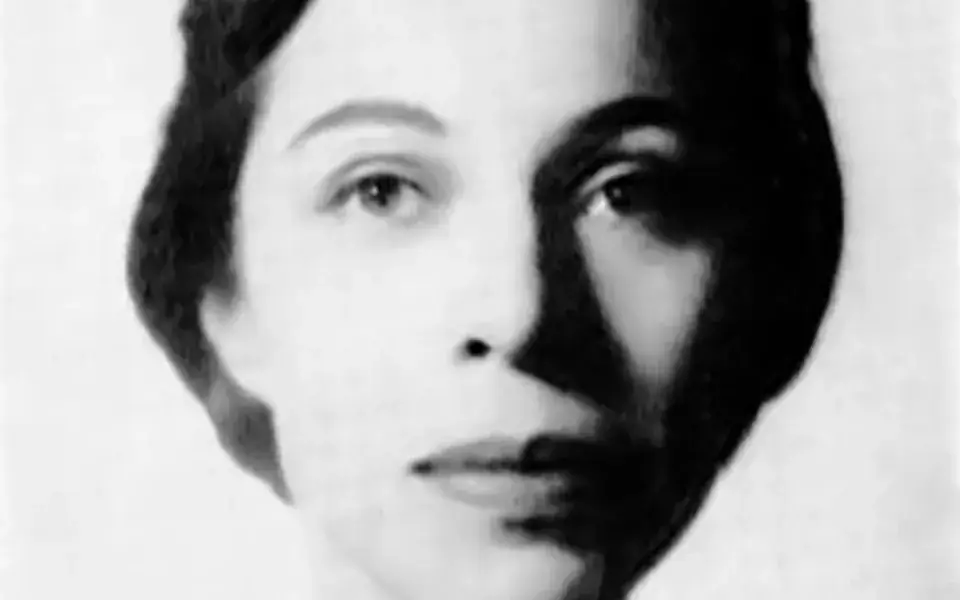
An Osage dancer helped shape American ballet
Maria Tallchief, born Elizabeth Marie Tall Chief, was an Osage ballerina. She was America's first major prima ballerina and the first Native American to hold the rank. Together with Georgian-American choreographer George Balanchine, she is widely considered to have revolutionized American ballet.
 Arts & Culture
Public walls became canvases for a nation's history
Mexican muralism refers to the art project initially funded by the Mexican government in the immediate wake of the Mexican Revolution to depict visions of Mexico's past, present, and future, transforming the walls of many public buildings into didactic scenes designed to reshape Mexicans' understanding of the nation's history.
 Arts & Culture
A tidal island became a fortified monastery
Mont-Saint-Michel rises from a tidal landscape on the coast of Normandy. Religious foundations and successive construction campaigns turned the island into an abbey and fortified settlement. Its isolation, changing access, and medieval defenses shaped a history in which pilgrimage, architecture, and warfare were closely connected.
 Arts & Culture
A Persian square joined palace, mosque, and bazaar
Naqsh-e Jahan Square formed a monumental center of Safavid Isfahan. Its open space linked royal ceremony, commerce, and religious architecture, with palaces, mosques, and bazaar entrances arranged around it. The square demonstrates how urban planning could bring everyday exchange and imperial display together.